


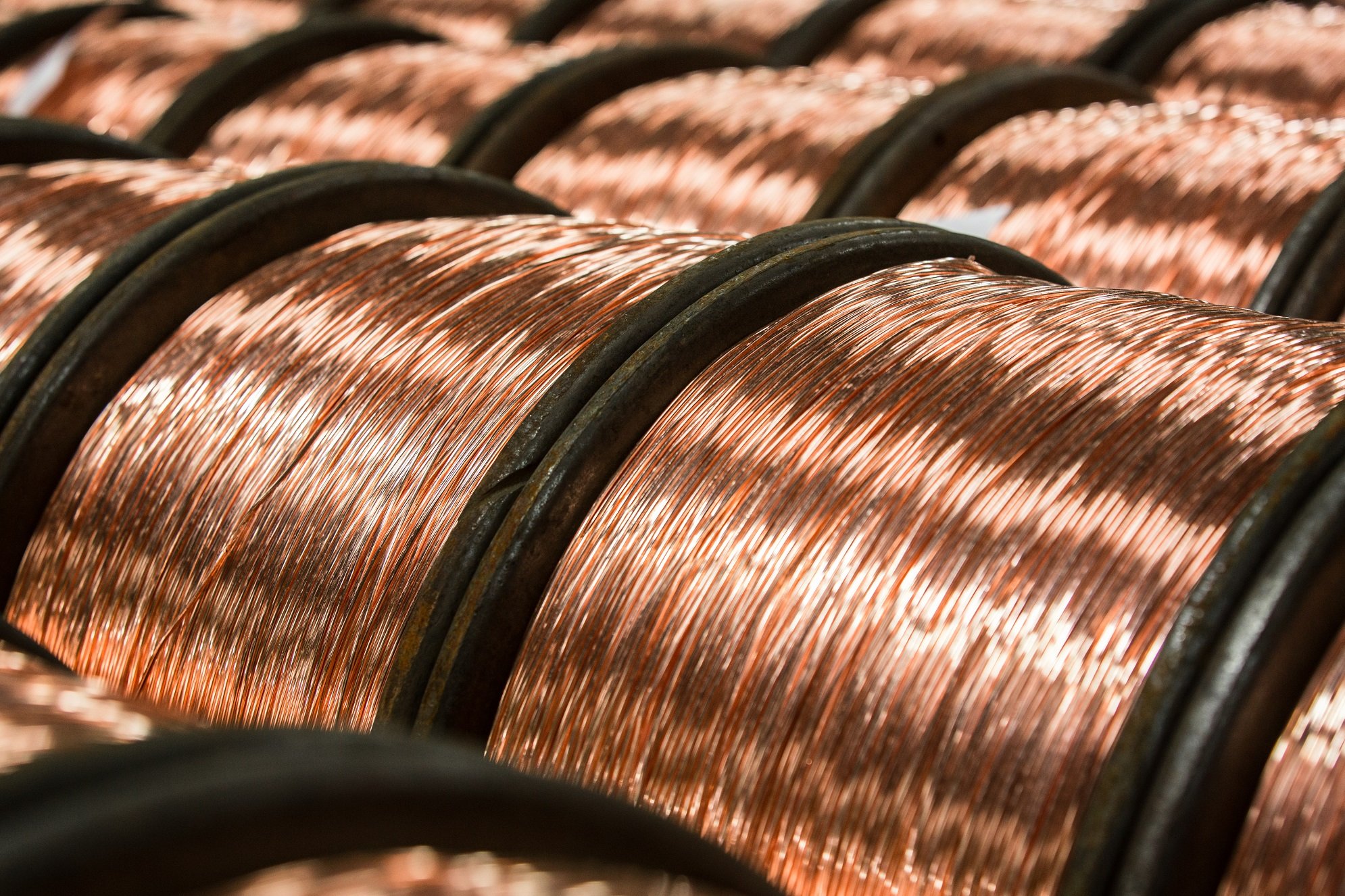
Bare copper vs tinned copper: the key differences
Both bare copper and tinned copper conductors are widely used across the electrical industry, however, factors such as corrosion resistance and their reactions to moisture and high heat can vary significantly. Understanding these differences is crucial when it comes to ensuring reliability and long-term overall system performance.
What is the difference between bare and tinned copper conductors?
A bare copper conductor is a copper wire without a coating. A tinned copper conductor is an uninsulated copper wire that is coated with a layer of tin.
Although bare conductors perform extremely well, they are more prone to oxidation over time than tinned copper conductors. Oxidation of the bare copper adds a nonconductive layer to the surface, which can result in a reduction in electrical continuity at terminations or joints. This may eventually cause circuit failure or unreliability. The tin coating protects the copper from oxidising brought about in hot, humid environments and in moist soil conditions.
Conductivity and resistivity
Copper is an excellent conductor, surpassed only by silver and it sustains an electrical current thanks to its atomic structure. Each copper atom has 29 electrons, including the readily available (valance) electrons, which can move easily through the metal structure. These free-moving electrons carry electrical charge through the copper wire with very little resistance.
Thermal properties and melting points
On its own, copper has a high melting point (1,080°C), however the melting point of tin is much lower (only 232°C!). In high temperature situations, tin forms an alloy with copper to form bronze. Bronze is usually made up of 12% tin and 88% copper. This reduces the melting point to approximately 850°C-1050°C, though the common melting point for bronze is 950°C.
Due to its lower melting point, tinned copper is typically used in applications to provide excellent corrosion resistance. Tinned copper is not designed to withstand high temperatures as the coating can melt much faster than copper itself.
Corrosion resistance
One of the biggest differences between bare and tinned copper is how resistant to corrosion they are.
Bare copper reacts to oxygen and moisture through a slow oxidation process, initially forming copper oxides. Over time, this develops into a protective, brittle green layer (patina), primarily composed of copper carbonate compounds. This does not conduct electricity and acts as an insulator, reducing electrical conductivity. In dry indoor environments, this tends to be slow and manageable, however, in damp, humid or outdoor environments, corrosion accelerates.
As copper corrodes, it forms surface oxides that are less conductive than the base metal, which increases resistance in the conductor. As a result, temperature build-up at the connection points also increases, and terminations and joints can degrade over time.
Tin acts as a protective barrier, which means in normal atmospheric environments, tinned copper does not corrode, even when exposed to moisture or airborne contaminants at temperature. Therefore, tinned copper is much more stable in the long-term, especially where cables are difficult to access once installed.
Reactivity to water and saltwater
When exposed to moisture, bare copper oxidises and corrodes over time. Any exposure to saltwater, accelerates the oxidation process which results in rapid degradation in circuit reliability.
Tinned copper is more stable in damp and humid environments because the coating of tin is a protective barrier. This protects the copper from reacting with the oxygen and moisture. In saltwater environments, tinned copper is highly resistant to corrosion.
The price of copper
As a global commodity, the price of copper fluctuates significantly, and this volatility in the market directly affects the cost of cables. In recent months, the average cost of copper in the UK ranged from £8.90 to £9.50 per kg.
There are lots more processes involved in the manufacture of tinned copper; however, tinned copper should be considered in the long-term if corrosion resistance is an issue.
Quality of manufacture and sustainable practice
High-quality manufacturing and responsible sourcing have always been important considerations, and Prysmian is a Copper Mark partner. This independent, leading assurance framework promotes responsible practices throughout the copper value chain. Prysmian is committed to using copper with at least 30% recycled content and has full traceability for all metals. This demonstrates our commitment to high manufacturing standards and sustainability whilst avoiding non-compliant, restricted territories and supply chains.
Key points to remember
Understanding the differences between bare and tinned copper conductors is essential, as it affects reliability and long-term performance in electrical installations. Bare copper eventually corrodes outdoors in unprotected installations, while tinned copper features a protective layer that provides superior corrosion resistance, helping to maintain reliable connections in challenging environments where weather protection is unavailable.
With over 100 years of experience and three manufacturing sites in the UK, Prysmian delivers its own high-quality products that meet everyday tasks and demanding environments, ensuring installations are safe, reliable, and built to last.